



Beyond sculpture, the shadow ?
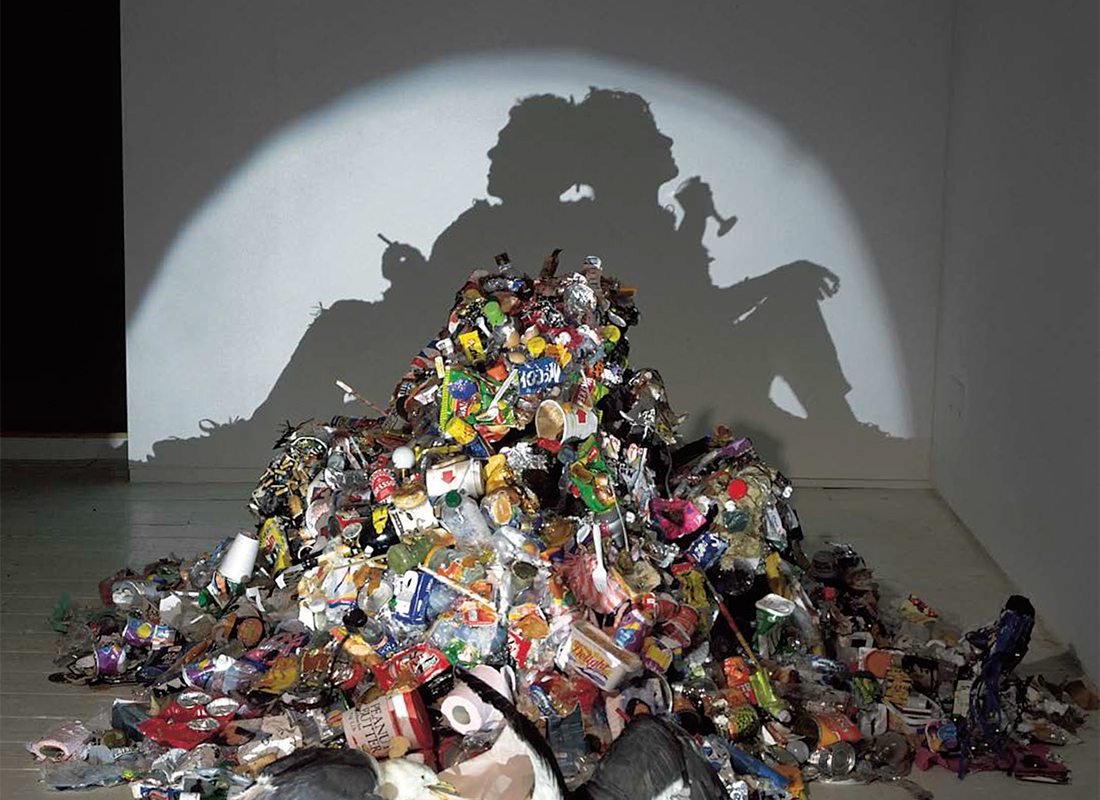
While it might seem futile to search out an exhaustive and unilateral (re)definition of contemporary sculpture given the varied directions it takes, it would appear a contrario necessary to rethink sculpture based on studies1 that together elucidate the scope of this constantly broadening field. By looking at specific current productions it will be possible to consider some new pluralist perspectives and issues raised by contemporary sculpture.
“Shadow sculptures” are sculptures in which the principal material, a material that is also inseparable from the theoretical and plastic understanding of the work, is the projected shadow. A small but revealing selection of works will help us introduce certain issues of time, space, material, the body and the placement of the body in space, which are specific to sculpture.
Although “shadow sculptures” are particularly significant for both their plastic aspect and their political and social implication in the contemporary world, it is curious that no analyses can be found either in the field of critical studies on sculpture (the focus tends to be on light) or in research on the shadow.2 What is so antithetical between shadow and sculpture to have made them the subject of such few connections when everything calls for this?
The shadow has always been part of the vocabulary of art and sculpture, and in Antiquity, Greek artists began representing shadows in paintings that were called skiagraphia. The shadow also has held a particular place in art theory since its inception, which is
…