



Ecological Art: Pushing the Limits of the Exhibition
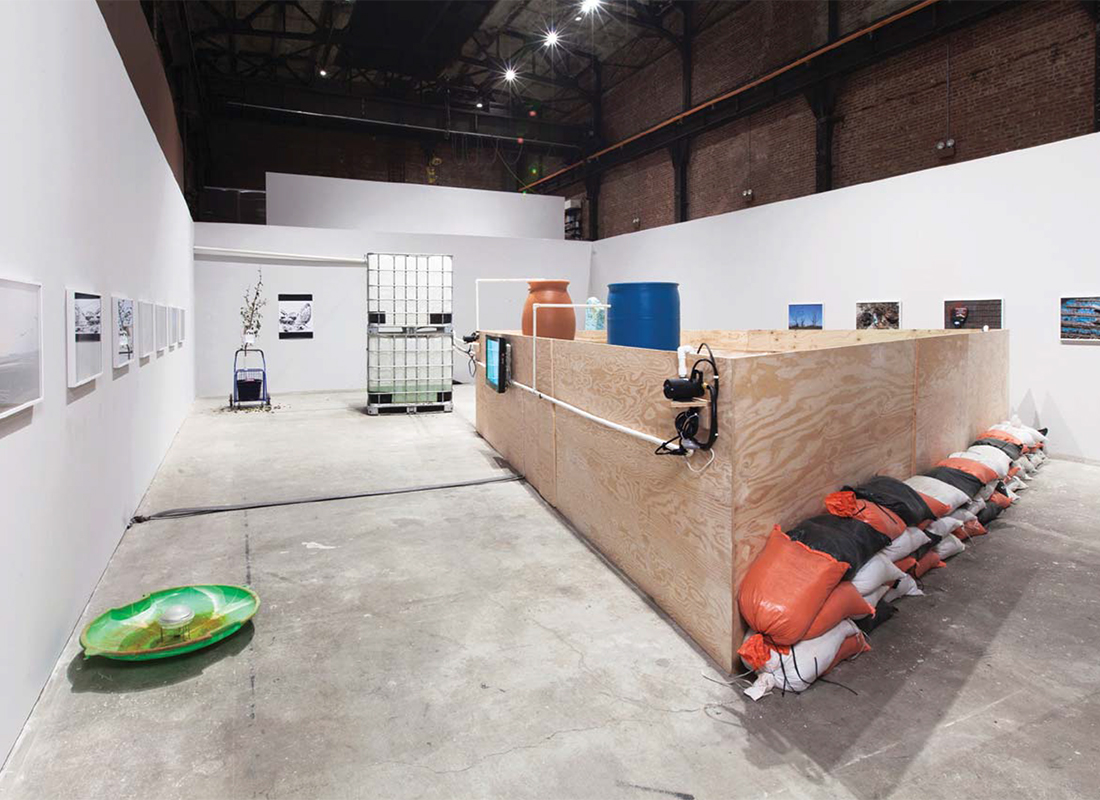
Does the gravity of ecological content exonerate artists from having to be concerned with form? The formal meagreness of some exhibitions “dedicated to the cause” might lead one to think so. These assembled ecologically virtuous or activist artworks, extremely informative, wavering between ethical duty and emotion, have long not known which drummer’s beat to follow. Have recent events demonstrated a new direction curators are taking? Are they forever trying to open the eyes of a public still presumed ignorant of the real environmental issues? Or have the stakes evolved, what with better media coverage and a greater intellectual partiality for the subject?
Along with the birth of “ecological” art in the 1960s in the United States came the delicate question of its presentation. The first group exhibition, Fragile Ecologies, which Barbara Matilsky mounted much later, in 1992, at the Queens Museum, featured artworks that seemed particularly unsuited for display in a usual museum space. Ironically, of course, today in discourse the analogy of an exhibition space to an ecosystem has supplanted the supremacy of the white cube! But at the time, the intention of land art was to restore ecologically and socially dysfunctional polluted lots in the urban milieu and thus had a hard time playing the game of institutional museum art. Reduced to photographic documentation, diagrams and a few replicas with testimonial value, the ecological actions of Patricia Johanson, Mierle Ukeles, Alan Sonfist, and the Harrisons – to name only the pioneers of this movement, which is
…