



The Cloud in Video: Notes on Isabelle Hayeur’s Aftermaths
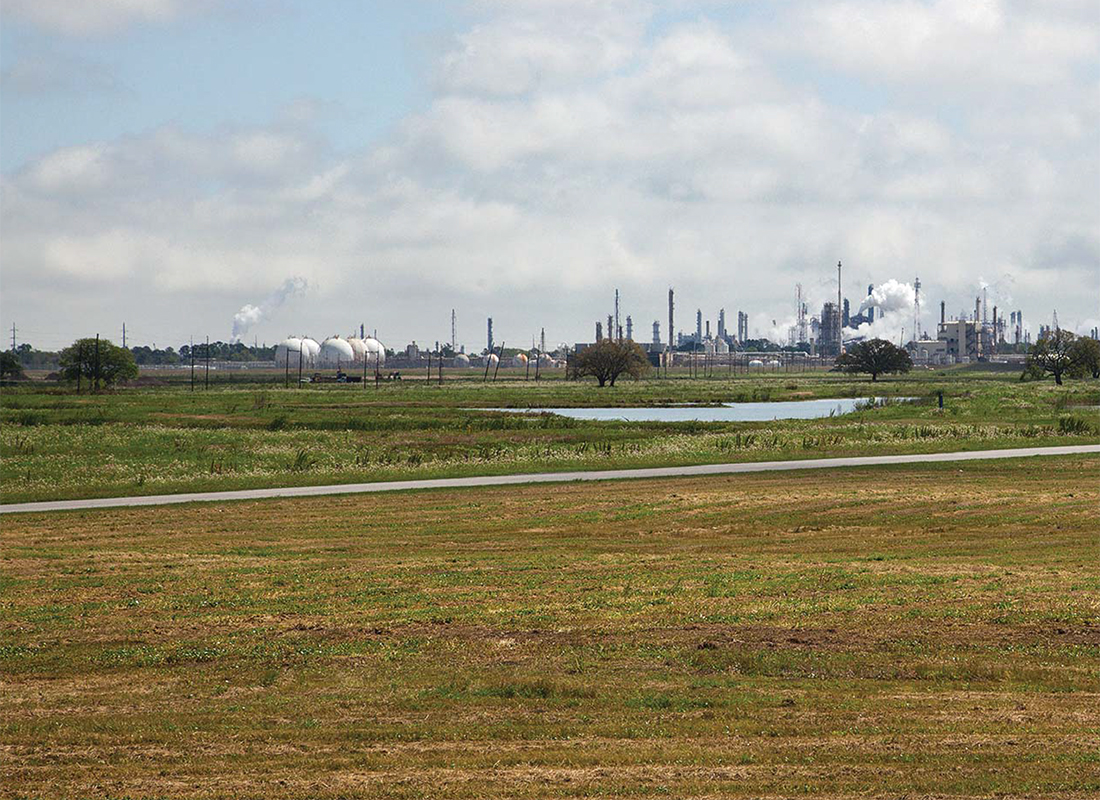
The evolutionary span of Isabelle Hayeur’s photographic and videographic body of work is related to her capacity to cast an ever-deeper gaze at environmental issues (urban sprawl; the impact of the petroleum, housing, and tourism industries on the deterioration and destabilization of ecosystems). For fifteen years, Hayeur has been thinking and rethinking the image of the landscape – urban, agricultural, and natural. Recent publications on her work have highlighted one of her main aesthetic strategies for drawing spectators’ attention to this issue: the digital erasure of the contours of the image, which enables her to assemble various images in a single composition without totally dissolving its composite structure. Marie Perrault observes that Hayeur’s photographic images “expose the fragmented and constructed nature of any representation of the world,” thus denoting “the impossibility of describing a territory in a continuous way.”1 Franck Michel notes how the photographs – images “conceived through an accumulation of many shots,” but processed and combined virtually to form the appearance of a “single landscape” – act as an illusion that destabilizes the viewer’s expectancy of realism.2 Marcel Blouin calls them “true false images”; Bénédicte Ramade, “anxious images,” whose critical, even political, significance is that they sow doubt about unity among viewers.3 These observations are important. They reveal that the stake in any reflection on the environment, today, is to become aware of the absence of unity – of the intermingling of culture and nature, of all environments. They also illustrate that the image, in
…