



Aesthetics/Ethics of the Flesh
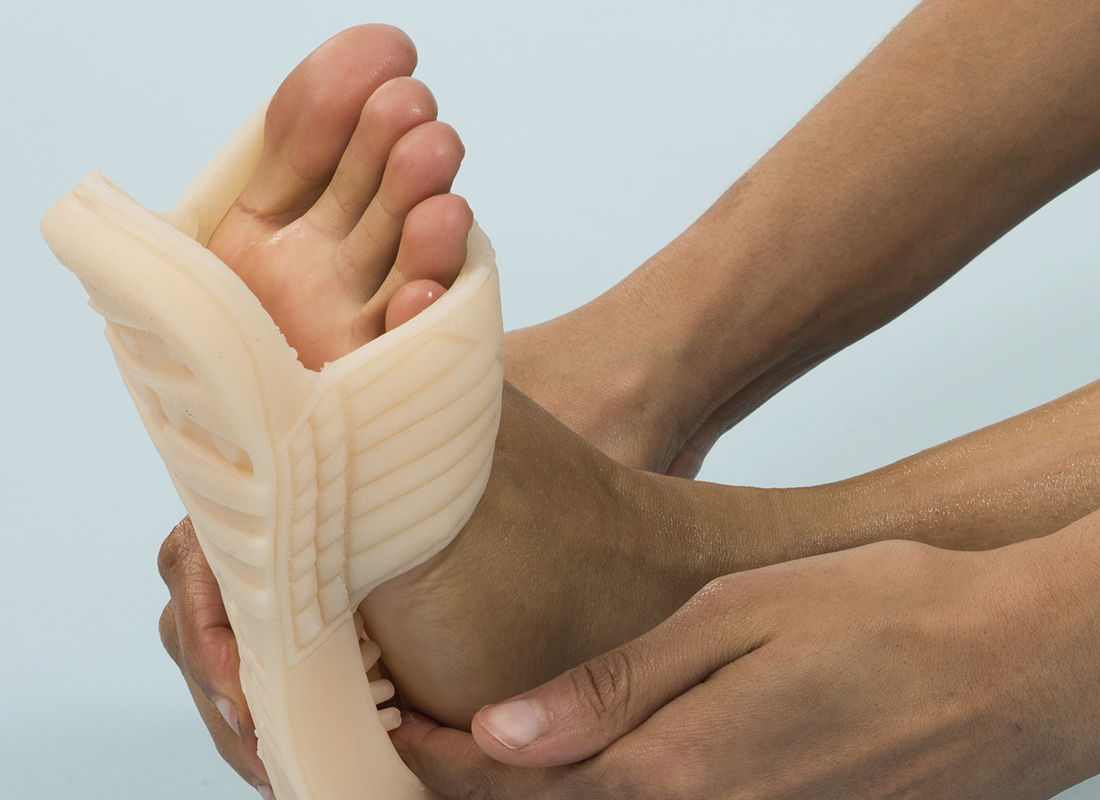
In his posthumous book Confessions of the Flesh (Pantheon Books, 2021), Michel Foucault (1926–1984) analyzes how early Christianity considered sexuality. This fourth instalment on the sexualized body follows the volumes published in his lifetime—The Will to Knowledge (first English edition in 1978), The Use of Pleasure (1984) and The Care of the Self (1986). His study of the body begins in the 18th century from the perspective of what Foucault calls “biopower,” then shifts in the second and third volumes to the philosophers and physicians of Greco-Roman Antiquity, and lastly to the religious approaches of the Church Fathers. In this final work, the experience of the flesh is subject to abstinence, virginity and marriage. While the relationship to the flesh may well be the site of several interdictions in this philosophical-theological context, it remains essential to our subject-being. As a “mode of experience, knowledge and transformation of the self by the self,” the flesh is part of the subjectivity associated with our sentient body.
Etymologically, the word flesh comes from the Old English flæsc, which means meat, the predominant component of the human or animal body, essentially composed of muscle tissue covered with skin. Yet the notion of flesh also evokes skin colour, which is certainly not singular but comes in an infinite variety of tones. Furthermore, in certain expressions, it refers to a person’s physical aspect. Flesh therefore does not only belong to me, but is also identified with other people or groups of individuals. According to the principles
…