



Confronting destinies: Pierre Huyghe and Philippe Parreno
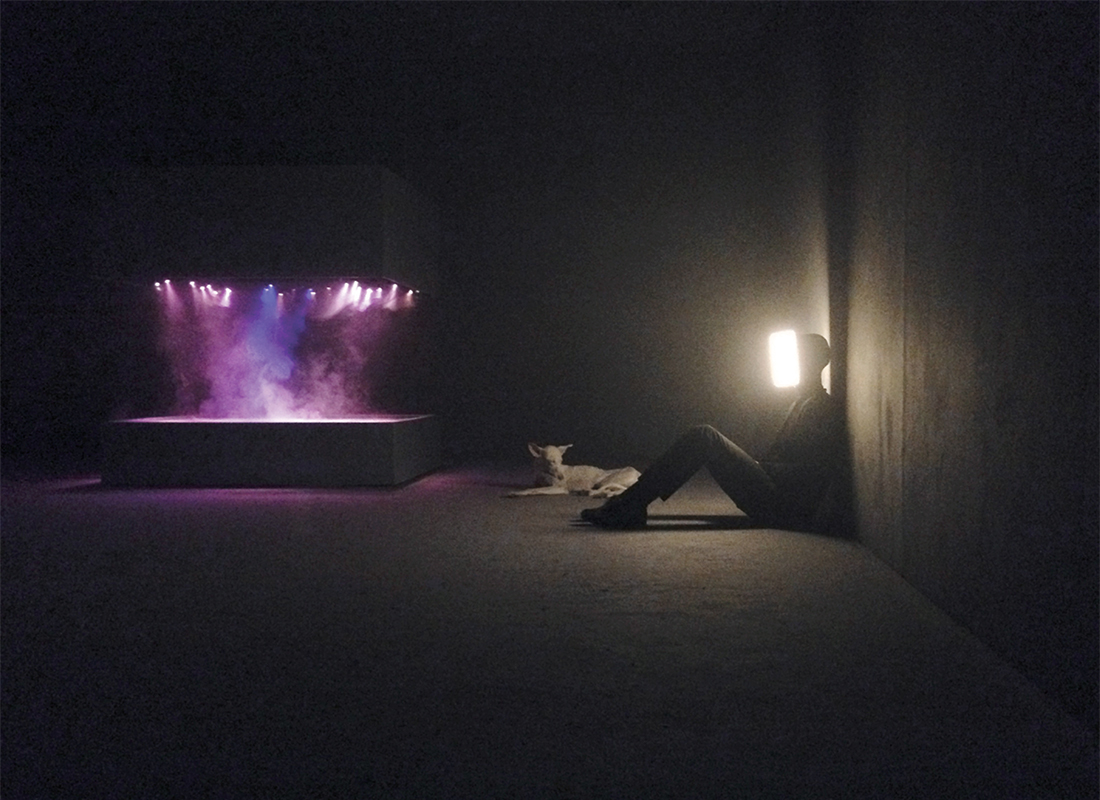
In Paris last fall, critical attention crystalized around exhibitions by two darlings of the French scene and relational aesthetics, Pierre Huyghe and Philippe Parreno. The overlapping exhibition dates unconsciously led to a sort of implicit comparison in the analysis and method of viewing, indeed even creating a rivalry between what the first-named artist had on offer at the Centre Pompidou and that of Philippe Parreno, which filled the halls of the Palais de Tokyo.
Both artists brought an intense impression of spectacle and sense of event to bear with their retrospective monographs. Each generated different, albeit strong, sensations while presenting his own particular aesthetic; but in the end, both targeted the same goal of creating a sense of community and a rather new, meaningful feeling of belonging. Clearly, in such a project, the account of the works and their experience is mediated through a particularly self-mythologizing kind of writing: the meta-account revisits prior knowledge of and discussions about the pieces in order to renew perspectives and so pronounce a new critical fate. This is accepted absolutely by Philippe Parreno whose exhibition “as automation” has a rhythm that unfolds as it follows the visitor on his or her progressive discovery of the art. Although equally true of Huyghe, such self-lionization is less frankly proclaimed; chance encounters might occur during a visit, but the artist’s work and his canonical narrative, haltingly and circuitously laid out, give the viewer a sense of writing his or her own story. This is an
…