



Center Stage: Recuperating the object in Debordian discourse
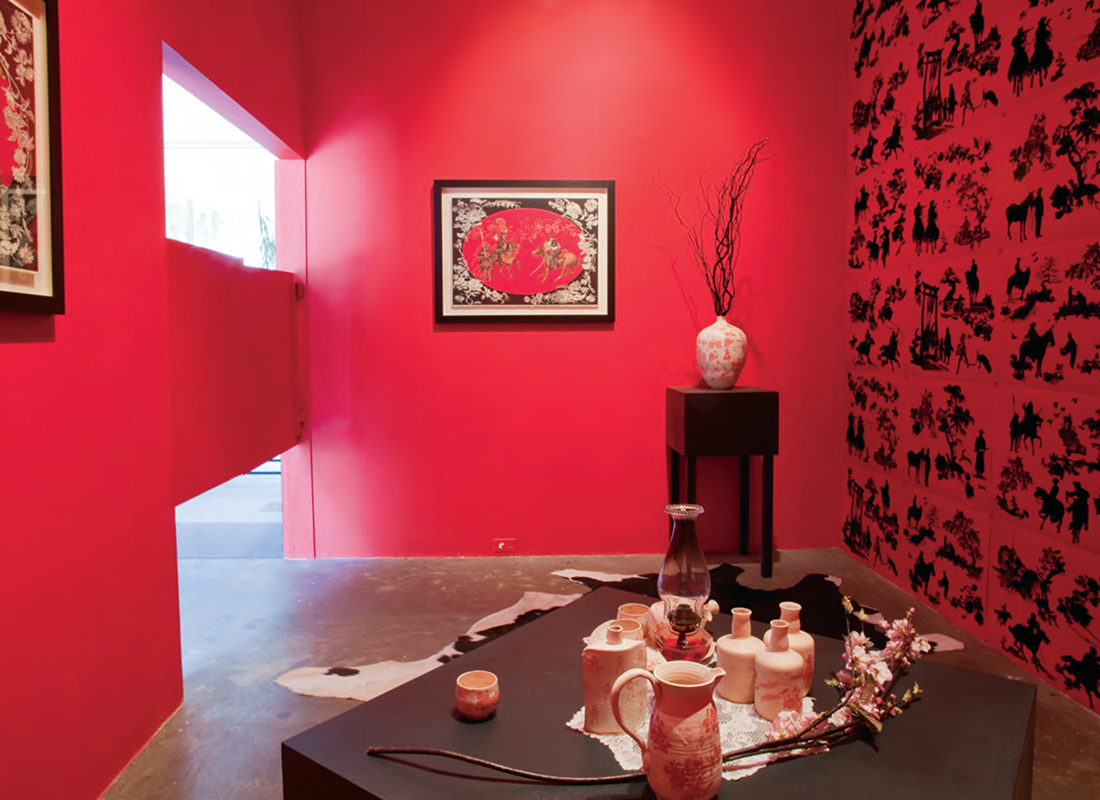
Debord’s critique of our alienated consumer society, which is caught within the illusion of a life of merchandise and fantasy desires, is useful for understanding the many woes and wrongs that this system engenders. But, I believe it is also a critique that vilifies objects and hinders a better comprehension of our relation with them. For instance, La Société du spectacle deplores how modern capitalist society projects an illusionistic spectacle of real life in which all interactions between persons have been reduced to mediations by images or objects.1
Debord also explains how the commodity market thrusts spectacular life at us: this is not a reflection of real life or actual needs but a vision made to enslave people in their current condition and hypnotize them from having any critical distance.2 In short, Debord blames products for isolating people and deplores the lack of any possible relations we may have with each other due to merchandising.3 Thus from Debord’s project emerges a distinct loathing for objects since these are always understood as commodities or products caught up in the capitalist market.
Albeit these are valid points and I am not lauding the actions of aggressive neo-capitalist markets, Debord’s theory instills a certain disregard and even fear of materiality and objecthood.Yet our relations with objects have always been strong. Objects have been our tools and prostheses and even self-extensions (think of a spear or arrow). The product, on the other hand, is the object caught
…