



Redefining Museums
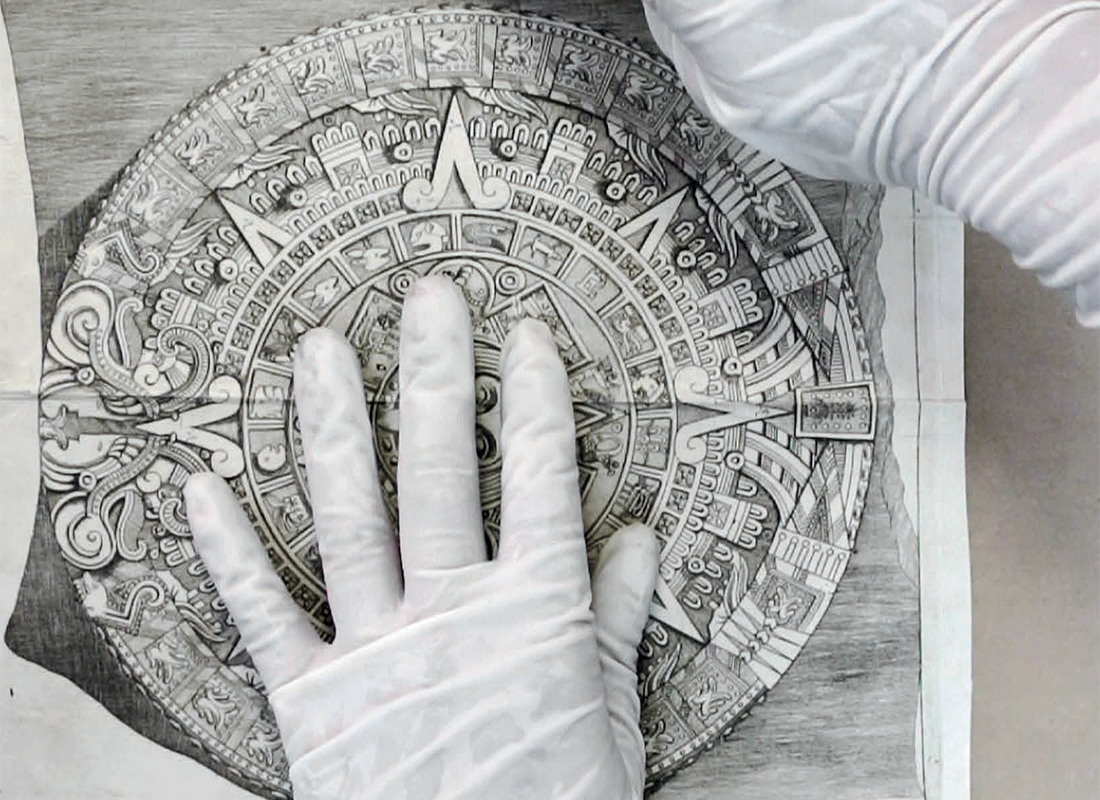
The Museum Is Not Enough is the intriguing title of a book intended to be the first part of a collective reflection that the team at the Canadian Centre for Architecture instigated, regarding the role of institutions and the challenges to be faced regarding “contemporary social concerns.”1 Which issues should be foregrounded when works and archives are displayed? How should they be approached? In both art and architecture museums, shouldn’t the public be presented with a sensory and intellectual experience that isn’t simply entertainment? No doubt, many museums share these concerns, regardless of their mission. Although the first museums date back to the 15th century, it wasn’t until the 18th century that they became places in which the main purpose was to house and exhibit collections, and increasing numbers of visitors were allowed in. Gathering momentum in the modern era, museums imparted humanist values, fostering the principle of a civilizational memory based essentially on Western culture. Although they hold a treasured and impressive heritage, the current global situation is compelling many of these institutions to go beyond the ideological frame promoted by modernity. And even though museums, within cultural capitalism, are subjected to economic imperatives, many of them find it important to encourage discussions around diversity and inclusion, often by highlighting their own collections.
In May 2021, the International Council of Museums organized a colloquium titled “The Future of Museums: Recover and Reimagine,” for which professionals in the field were invited to “create, imagine and share
…