



Sculpture today: Somewhere between enclosure and expansion
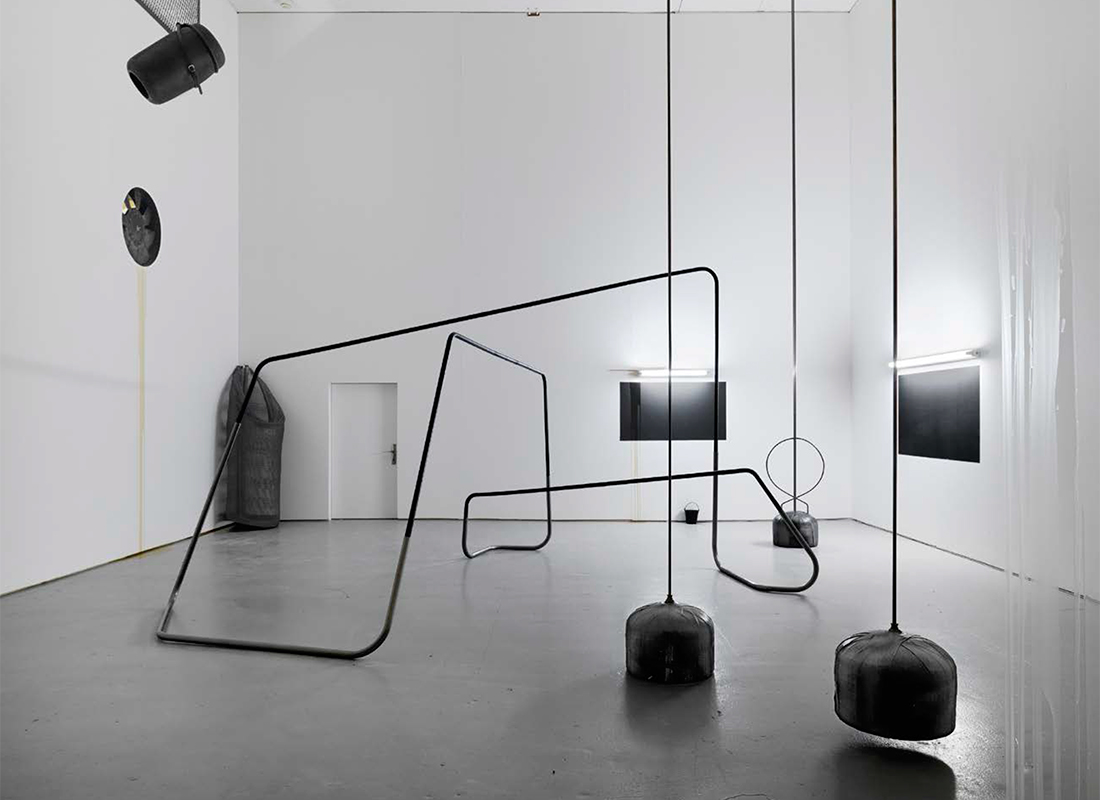
What notions do we agree on today about the term “sculpture”? Painting is easily defined. Sculpture, on the other hand, does not refer, even etymologically, to a single category: to sculpt originally meant to notch, to carve in stone, but modelling, which is just as ancient a technique, is classified under the same rubric. Before the 20th century, sculpture was statuary, a monument or relief. After Rodin, it became nomadic, abstract; it introduced space within masses, it was constructed, it was assembled. In the late 1970s, Rosalind Krauss 1 accused American critics of historicism when they employed the word “sculpture” indiscriminately for practices such as walking, making corridors with video monitors or digging lines in the desert. She saw this as “manipulation” to reduce the strange incongruity of these approaches to a reassuring known quantity, and she proposed the concept of an “expanded field,” opening up all the interferences among space, site, marking, architecture and landscape. During these same years, the term “installation” began to appear in magazines to describe the layout of exhibitions and, soon, to define the artworks that used this spatial context. “Since then, the distinction between an installation of works and ‘installation art’ proper has become increasingly blurred.” 2
Sculpture; sculpture in the expanded field; installation: this terminology, which suggests continuity from a mass around which one walks to a spatial dispersion of readymade or fabricated elements, remains a convenient classification for critical information. But what does it say about the meaning of
…