



Tino Sehgal. Esse est percipi—To be is to be perceived 1
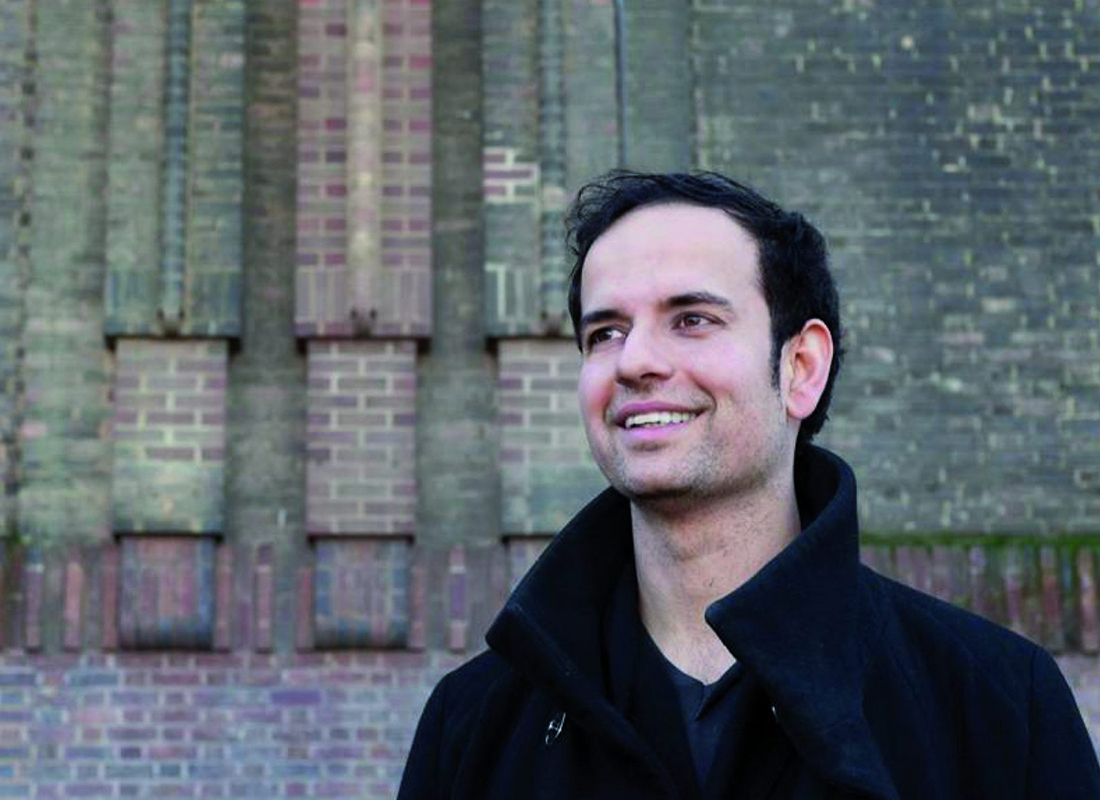
In the early spring of 2013, for a period of six weeks, British-born, Berlin-based artist, Tino Sehgal, instigated a variety of emotions in visitors, ranging from delight to trepidation, at the Musée d’art contemporain de Montréal. Whether positive or negative, reactions were rarely indifferent to the two artworks exhibited.
Kiss, 2002, is a living embodiment of well-known representations of kisses by Constantin Brancusi, Jeff Koons, Auguste Rodin, among others. Located in the museum’s circular entrance hall, visitors noticed a couple performing a loop of slow, fluid and graceful movements. While some perceived a beautiful and sensual artwork, featuring a languid dance that highlighted Sehgal’s background in choreography, others were challenged by the enactment of embraces, caresses and passionate kisses.
People generally avoid looking at lovers displaying amorous affection, yet the public here is confronted with an artwork depicting this very intimacy, live. A particularly unnerving aspect regarding Kiss is that the performers can — and do, occasionally — look back at viewers, thereby acknowledging that their privacy is being invaded (conversely, the lovers are usually completely absorbed in each other, oblivious to their surroundings). Remaining anonymous is not possible: shyness is induced in even the boldest viewers, though the sensation of voyeurism is lessened from distant vantage points (such as from above, looking over the railing on the exhibition level).
Sehgal plays with our conditioning by placing a scene that we normally shun in a museum, within a context designed for observing artworks. This dichotomy generates
…